
How Filter Socks Keep Reef Tank Water Clear: Sizes, Types, and Cleaning Essentials
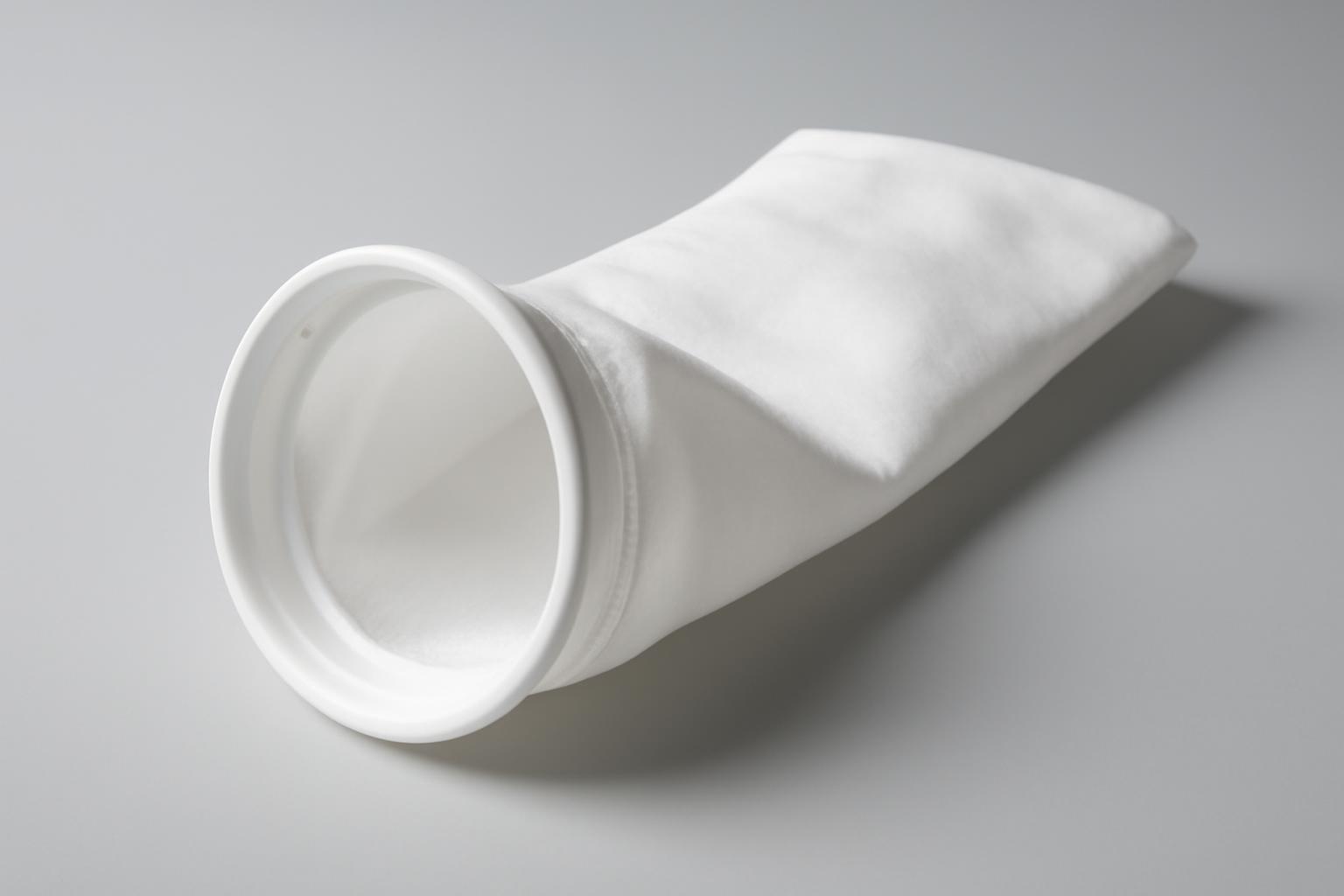
In reef sumps, a 100-micron sock catches smaller particles than a 200-micron sock but clogs faster. Holder fit, material and upkeep determine the practical choice.
A filter sock is a simple piece of reef equipment, but it affects a part of reef keeping that matters every day: how much suspended waste gets physically removed before it settles in the sump, breaks down, or gets pushed through the rest of the system. Used well, it is a straightforward mechanical stage. Used poorly, it becomes a clogged sleeve full of decomposing organics.
That split explains why hobbyists talk about filter socks so differently. One reefer sees clearer water and a cleaner sump. Another sees one more chore to forget. Both reactions make sense. A filter sock is only as good as its fit, its micron rating, and the owner’s willingness to swap it before it backs up.
There is also an evidence limit worth stating plainly. On this topic, most practical guidance available to hobbyists comes from aquarium retailers, product pages, and forum discussions rather than controlled testing. So the useful question is not “What is the best filter sock in the abstract?” It is: which size, material, and maintenance routine reduce detritus dwell time and preserve steady overflow behavior in your sump without creating a routine you will stop following.
What Filter Socks Do in Reef Tank Filtration
In a reef sump, a filter sock is a reusable mechanical filter placed where overflow water first enters the system. Its job is to catch suspended particles such as fish waste, uneaten food, and floating debris before that material moves deeper into the sump. Retail aquarium guidance consistently distinguishes reusable filter socks from more disposable floss or pads, which are generally replaced rather than washed and reused (Bulk Reef Supply’s mechanical filtration overview).
That first-pass capture is the real benefit. A sock does not replace a skimmer, a refugium, or overall nutrient management, and it does not “fix” a reef on its own. What it can do is shorten the time solid waste spends circulating or sitting in the sump. In a parameters-first sense, that matters because mechanical filtration is most useful when it supports system stability: predictable overflow flow, less visible particulate load, and fewer trapped solids left to decay in quiet chambers.
Reusable socks also change the maintenance rhythm compared with loose floss. Floss is convenient if you want a disposable media pad you can toss immediately. A filter sock makes more sense when your sump is already built around a holder and you want a repeatable, fixed mechanical stage that you can wash and rotate back into service. That is why many reefers treat socks less as a premium upgrade and more as a maintenance tool.
One shopping complication is terminology. “Filter sock” is not an aquarium-only term. An Amazon search for that phrase returns over 2,000 results, and many of the prominent listings are pool skimmer socks for leaves and larger outdoor debris rather than aquarium sump socks. That overlap is why beginners sometimes end up looking at the wrong product category first (Amazon search results for “filter sock”).
Pool skimmer socks and reef filter socks share the basic idea of a fabric debris catcher, but in normal use they are not the same product. If you are buying for a reef sump, shop in aquarium filtration categories, not pool accessories.
Standard Sizes for Reef Sump Filter Socks
For reef sumps, the two sizes you will see most often are 4-inch and 7-inch. Those dimensions refer to the top opening or ring area that fits the holder. The same seller specifications that list common aquarium sock sizes also show matching attachment styles such as rings, flanges, and drawstrings, along with example bag dimensions including 7 x 16 inches, 4 x 8.25 inches, and 4 x 14 inches (Filson Filter’s specifications page).
The most important measurement is not the body of the sock. It is the holder. If your sump has a built-in sock chamber, the opening must match that chamber securely. A loose fit allows bypass around the rim. A ring that is too large will not seat correctly. A drawstring that does not cinch tightly around its mounting point can shift under flow and leak around the top.
That does not make 7-inch automatically better. It simply means that a larger sock can offer more usable filtering surface when the sump is built for it. If your chamber only accepts a 4-inch ring, a 7-inch sock is not an upgrade; it is the wrong part.
Length deserves more attention than beginners often give it. Longer socks offer more filtering area, but only if they can hang freely. When the bottom of the sock is crushed against the sump floor or bent hard against a baffle, part of the fabric stops working efficiently and the sock can clog unevenly.
A simple buying checklist keeps most fit problems out of the equation:
- measure the holder opening first
- measure usable depth below the holder
- leave room so the sock can hang without being crushed on the bottom
- choose the mounting style your sump actually accepts
- avoid assuming all “4-inch” or “7-inch” products mount the same way
Rigid plastic rings are the most common choice for dedicated sump holders. Drawstrings are useful when the sock has to cinch around plumbing or fit a less standardized mounting point. Neither style is universally superior. The right one is the one that keeps all overflow water going through the fabric instead of around it.
If you are stuck between two lengths, the safer choice is usually the one that hangs cleanly rather than the one that only barely fits. A slightly shorter sock that works predictably is better than a longer one that folds, bunches, or sits submerged in detritus at the bottom of the chamber.
Micron Ratings Explained for Reef Use
Micron rating tells you how fine the filtration is. The key rule is simple: lower micron numbers mean smaller openings and finer filtration; higher micron numbers mean larger openings and coarser filtration. Reef hobby forums repeatedly highlight this because many beginners confuse micron rating with mesh-count logic. For filter socks, the plain-language version is the correct one: a 100-micron sock catches smaller particles than a 200-micron sock, but it will also clog faster; a 200-micron sock is coarser and usually lasts longer between swaps. One Reef2Reef discussion also notes that 200 microns is the most common size found in aquarium stores (Reef2Reef discussion on sock micron ratings).
That is why micron choice is really a maintenance choice disguised as a filtration choice. Many reefers start at 200 microns because it is a middle ground: fine enough to catch a visible amount of waste, but not so fine that the sock becomes intolerable to keep up with in an average sump. Finer options can polish the water more aggressively, but they tighten the maintenance window.
A useful way to think about the common ratings is:
- around 100 micron: finer capture, clearer-looking water, faster clogging
- around 200 micron: common middle ground for routine use
What should guide the choice is not marketing language but your tank’s particulate load.
For beginners, a good practical rule is to choose the finest sock you will reliably change before it becomes a flow restriction. If that means starting coarser, that is not a compromise in principle. It is good husbandry. A filter sock only helps when it is still passing water the way your overflow was designed to.
Felt vs. Mesh Filter Socks: Key Differences
The main material choice is usually felt versus mesh or nylon mesh. Across aquarium product descriptions, the same tradeoff shows up again and again: felt removes finer suspended debris and often gives a cleaner visual result, while mesh holds flow longer and clogs less quickly. AJ Aquatics summarizes it plainly: felt is better at removing particles, but mesh does not clog as easily (AJ Aquatics’ filter sock page).
That tradeoff matters because “best” depends on the problem you are solving. If your main goal is visible water clarity and you are consistent about swapping socks, felt usually makes more sense. If your main problem is that you forget maintenance, travel often, or hate the idea of a sock backing up while you are away, mesh is often the more forgiving option.
A practical comparison looks like this:
- Felt
- catches finer debris
- usually gives stronger water-polishing effect
- clogs faster
-
often requires a larger clean-sock rotation
-
Mesh
- allows flow longer
- usually cleans more easily
- is less aggressive at polishing fine particles
- tends to be easier to live with when maintenance slips
Both types are reusable. The difference is not whether one is “premium” and the other is not. The difference is the balance between particle capture and how fast the sock becomes a restriction.
Material discussions sometimes go one step further into polyester vs. polypropylene. Here the evidence is weaker and mostly commercial. One aquarium-specific seller says it prefers polyester because polypropylene can pill after repeated washing and may initially cause protein skimmer overfoaming if not rinsed well. That is a manufacturer-style recommendation, not independent test data, so it is best treated as a practical caution rather than a settled rule (Aquatic Experts’ filter sock guide).
The safer takeaway is simple: whatever the material, rinse new socks before first use. New fabric can carry loose fibers or residue, and aquarium guidance repeatedly warns that unrinsed new socks can temporarily irritate skimmer behavior.
Installing Filter Socks in Your Reef Sump
A filter sock belongs where overflow water first enters the sump: usually the first chamber, before water passes through other sections. Bulk Reef Supply’s reef guide describes filter socks as the first filtration the water contacts after leaving the aquarium and recommends rinsing new socks before use and keeping 3 to 4 on hand so dirty ones can be swapped immediately (Bulk Reef Supply’s cleaning and reuse guide).
Installation is not difficult, but small mistakes cause most of the frustration:
- Turn off the return pump if you need the sump calm to work safely.
- Seat the ring completely in the holder, or tighten the drawstring securely around its mounting point.
- Make sure the sock hangs straight rather than folded over on itself.
- Confirm it is not pressed into the sump floor and not trapped against a baffle.
- Restart flow and watch the first few minutes to make sure water is going through, not around, the sock.
What you are looking for is predictability. If water bypasses around the rim, the sock stops acting like true first-stage mechanical filtration. If it is too long and bunches up at the bottom, it can load unevenly and reduce usable surface area. If the opening does not fit the holder tightly, it may tilt or shift once the overflow starts pushing against it.
A rotation system makes the whole process much easier. Keep a small stack of clean socks near the sump and a separate bucket or lidded container for dirty ones. Then the “maintenance task” becomes a quick swap instead of a full cleaning job every time. That small change is often what determines whether someone keeps using socks successfully or gradually leaves a dirty one in place for too long.
Change Frequency to Avoid Nutrient Release
The safest rule is to change a filter sock before it becomes a flow restriction. In hobby guidance, the most commonly repeated interval is about every 3 to 5 days, with more frequent changes in dirtier systems and occasional longer runs in lighter-load setups. Bulk Reef Supply recommends replacing clogged socks every 3 to 5 days and warns that leaving trapped waste in place allows it to break down and release nitrate and phosphate back into the aquarium water (Bulk Reef Supply’s cleaning guide).
That does not mean every reef needs a rigid calendar. Sock lifespan depends on several variables at once:
- micron rating
- felt versus mesh
- fish load
- feeding volume
- how much detritus the tank is shedding
- whether you recently stirred sand or blew debris from rockwork
So the better habit is to watch for restriction, not to obey a number blindly.
Common signs it is time to swap the sock include:
- the fabric turning dark and packed with debris
- water rising higher than normal inside the holder
- overflow noise changing because water is backing up
- water starting to go around the edges
- the sock surface becoming visibly slimy or sealed over
This is where a parameters-first perspective helps. The point of a sock is not simply “clear water.” It is controlled removal of solids before they sit in the system. Once the sock is clogged, that benefit reverses. Flow becomes less predictable, overflow behavior changes, and the trapped waste remains in wet, oxygenated contact with aquarium water.
If your socks repeatedly clog too quickly, do not assume the only answer is more discipline. In many cases, the fix is one of these:
- move to a coarser micron rating
- switch from felt to mesh
- use a larger sock if the sump accepts it
- keep more clean socks ready for rotation
- reduce how much suspended detritus you release into the overflow at one time during maintenance
The best change frequency is the one that prevents overflow restriction without turning filter socks into a chore so annoying that you stop using them altogether.
Cleaning Reusable Filter Socks Step-by-Step
The methods hobbyists use are mostly practical routines shared by experienced aquarists, not lab-tested standards. That means the right way to present cleaning is not as a single authoritative recipe, but as a set of conservative principles:
- remove trapped solids as thoroughly as possible
- avoid detergent and fragrance residues
- rinse aggressively
- dry completely before reuse
- discard socks that are physically failing
A workable batch-cleaning flow looks like this:
- store dirty socks separately until you have enough to clean together
- let them dry first if odor control matters
- turn them inside out
- hose or blast out trapped debris
- choose either a bleach-soak or washing-machine approach
- rinse again
- air dry fully
- inspect seams and fabric before putting them back in service
For one bleach-soak example, Melev’s Reef describes turning socks inside out, rinsing them, soaking them in about 7 gallons of water with roughly 1 cup of bleach for about 10 to 30 minutes, then rinsing, dechlorinating with Prime, and air drying. The article presents that as the author’s own method, not a universal ratio for every household or every sock, and that is the right way to read it (Melev’s Reef cleaning walkthrough).
Many reef keepers prefer a washing machine instead. In a Humble.Fish discussion, hobbyists describe a common pattern: socks turned inside out, washed without detergent, often with a small amount of bleach, followed by extra rinses and then thorough air drying. Some users also run an empty rinse cycle first if they are worried about leftover detergent in the washer from normal laundry (Humble.Fish cleaning discussion).
A few cleaning rules are worth treating seriously because they are safety-adjacent and repeatedly emphasized in hobby guidance:
- do not use regular laundry detergent
- avoid scented additives, fabric softeners, and dryer sheets
- if you use bleach, rinse and dry conservatively rather than rushing the sock back into the sump
- if you are unsure whether residue is gone, rinse and dry again
- keep enough socks in rotation that you are not tempted to reinstall a questionable one
Dirty-sock handling matters too. Some hobby guidance suggests letting removed socks dry in a bucket or outdoor area before batch cleaning because that keeps smell more manageable. That is not essential to filtration, but it makes the maintenance cycle easier to stick with.
Eventually, reusable does not mean permanent. Replace a sock when the seams fail, the fabric thins badly, holes open up, or the ring deforms enough to prevent a proper seal. Structural failure is.
Filter Sock Impacts on Reef Microfauna
This is the weakest-evidence part of the topic, so it deserves the clearest caveat. There is not strong ecosystem-level research in the evidence pack showing exactly how much routine filter sock use affects reef microfauna populations in home aquariums. Most of the guidance here is hobby inference: finer openings can trap smaller animals if those animals pass through the overflow.
One forum discussion gives hobby-scale size comparisons of roughly 500 to 2,000 microns for copepods and much larger sizes for amphipods, which is why reefers often assume finer socks may intercept at least some pod life moving through the sump. That is useful as a plausibility note, but it is still forum evidence, not a controlled biological study (Atlanta Reef Club discussion on micron size).
The practical takeaway is modest:
- finer socks are more likely to intercept smaller drifting organisms
-
coarser socks may allow more of that life to pass
-
whether this matters depends on your livestock goals and where your pod population is actually reproducing
In that situation, you may prefer a coarser sock, intermittent sock use, or accepting less aggressive water polishing.
If pod production is part of your livestock plan, see our guide to copepods in an aquarium for the bigger picture on seeding, refugiums, and predator pressure.
The honest answer is to observe your own tank. If pod density appears to drop after you start running fine socks full time, that is useful system feedback. If it does not, the tradeoff may be minor in your setup.
A good filter sock setup is not the finest, most expensive, or most aggressively marketed one. It is the one that fits the holder correctly, matches the flow and debris load of the system, and gets changed before it turns into a clogged reservoir of organics. For many beginners, that means starting with a properly fitted 200-micron sock in the correct 4-inch or 7-inch format, then adjusting finer or coarser once you see how quickly your tank loads it (Reef2Reef micron thread; Filson Filter specifications; Bulk Reef Supply cleaning guide).
Felt or mesh: which is better for reef water clarity?
For pure water clarity, felt usually has the edge because it captures finer suspended debris than mesh, but it also clogs faster (AJ Aquatics filter sock page).
Mesh is usually the better choice when slower clogging, easier cleaning, or vacation tolerance matters more than maximum polishing. If your sock tends to back up too quickly, switching from felt to mesh is often the first material change worth trying (AJ Aquatics filter sock page; Atlanta Reef Club discussion).
What micron rating for a beginner reef tank?
A 200-micron sock is usually the least complicated starting point for a beginner because hobby guidance commonly treats it as the middle ground between visible debris capture and manageable maintenance, while finer options clog faster (Reef2Reef micron thread).
If a 200-micron sock still overflows too quickly in your system, the problem may be debris load, sock size, or maintenance interval rather than beginner error. In that case, going coarser or switching to mesh can be more practical than forcing a finer sock to work.
How do I clean filter socks without bleach residue?
If you use bleach, the conservative approach is to rinse thoroughly, run extra rinses if you use a washer, and let the socks air dry completely before reuse. Melev’s Reef and the Humble.Fish cleaning discussion both present full drying and extra rinsing as the important safeguards, while also emphasizing that detergent and fragrance residues are things to avoid.
If you are unsure whether a sock is residue-free, do not rush it back into the sump. Rinse it again, dry it again, and keep enough socks in rotation that you are never depending on one questionable sock.
Pool skimmer vs. reef filter sock: are they the same?
No. They use a similar idea, but they are sold for different systems. Amazon search results for “filter sock” are crowded with pool skimmer products, while aquarium filtration pages describe reef socks as reusable sump media for suspended waste and uneaten food (Amazon search results; Bulk Reef Supply mechanical filtration overview).
That keyword overlap is exactly why beginners get confused. For a reef tank, buy an aquarium sump sock sized for your holder, not a pool skimmer accessory.
When to throw out a filter sock?
That is the consistent practical threshold in aquarium guidance (Aquatic Experts filter sock guide).
Staining alone is mostly cosmetic. Structural damage is the real end-of-life point, because once water can bypass through tears or worn spots, the sock stops acting like dependable mechanical filtration.