
Fish Cooper Lake for Catfish November Through March
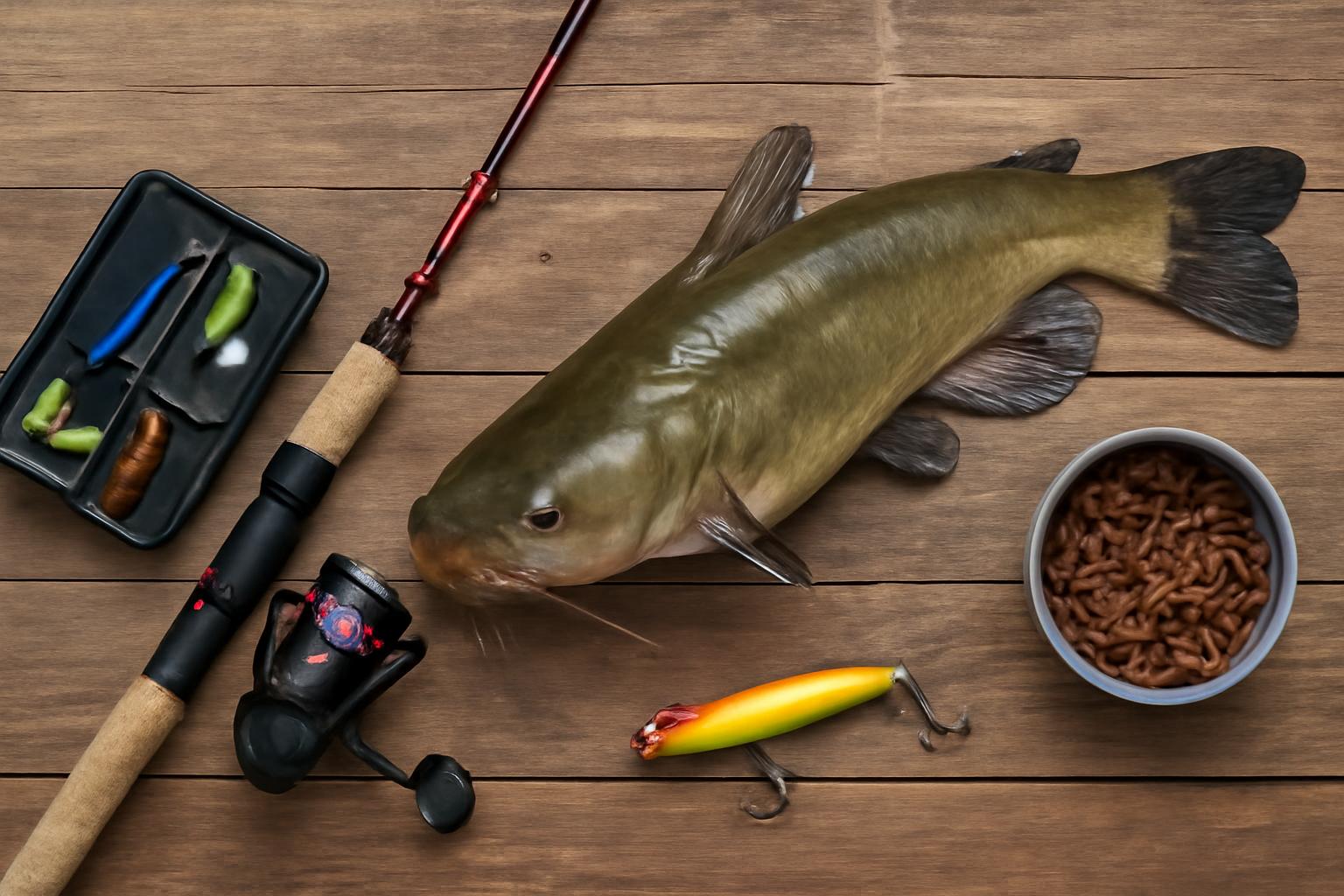
Fish in winter for trophy blues or April, October for eating-size cats. Safe conditions and proven structure should determine the hour.
Assuming you mean Cooper Lake (officially Jim Chapman Lake) in northeast Texas, the best season depends on your goal. For trophy blue catfish, make your first plan for November through March. For channel cats and smaller blue catfish, April through October remains productive. In hot weather, start near first light or finish in the evening for cooler, more comfortable fishing. More important than any exact hour, however, is putting bait near standing timber or taking advantage of a safe water-release period below the dam.
That answer is specific to Cooper Lake near Cooper and Sulphur Springs, Texas. If you meant the Santee Cooper lakes in South Carolina, skip to the location note below because the access rules, limits, and seasonal patterns are different.
The quick planning answer
| Your goal | Best first choice | Where and how to start |
|---|---|---|
| Trophy blue catfish | November–March | Follow bait and deeper travel routes; use fresh cut bait or live shad where legal |
| Eating-size blue or channel catfish | April–October | Fish prepared bait or cut bait close to standing timber |
| Flathead catfish | Warm-season trips or a release event | Use live bait where legal; consider the tailrace only when conditions are safe |
| Bank fishing | A cool morning or evening within access hours | Try a state-park pier or the dam tailrace; verify alerts before leaving |
The seasonal split comes from a Cooper Lake guide who specializes in trophy blue cats from November through March and targets white bass and eating-size cats from April through October. A KETR public-radio report on winter Cooper Lake catfishing independently documents local winter trophy-blue fishing. Treat this as experienced local guidance, not a promise that fish will bite on a particular date.
Why this guide assumes Cooper Lake, Texas
“Cooper Lake” is ambiguous. Texas Parks and Wildlife Department (TPWD) calls the reservoir Jim Chapman Lake, but its official fishing page uses a /lakes/cooper/ address and identifies Cooper State Park as the main developed shoreline access. The lake lies northwest of Sulphur Springs in Delta and Hopkins counties.
The phrase is also sometimes used loosely for Santee Cooper, the Lake Marion–Lake Moultrie system in South Carolina. Those are different waters. For example, the South Carolina Department of Natural Resources lists Lake Marion-specific catfish and seasonal-area restrictions that do not apply in Texas. This article does not mix advice or limits from the two destinations.
Best season by catfish goal
November through March: first choice for trophy blue cats
Winter is the clearest local recommendation when size matters most. Cooper Lake Trophy Catfishing advertises November-through-March trips specifically for blue catfish of 20 pounds and larger, while KETR’s local program describes winter trophy-blue catches on the lake. That does not mean every cold day is productive. A sharp front, unsafe wind, or rapidly changing water can still spoil the plan.
Start with fresh cut bait or live shad where legal. TPWD says blue catfish are the lake’s most abundant catfish and describes cut bait or live shad as options for larger blue and flathead cats. In cold water, a deliberate presentation near a channel edge, timber line, or bait concentration is a better starting hypothesis than searching random shallow water.
April through October: dependable choice for eating-size fish
The same local guide shifts to eating-size catfish trips from April through October. TPWD also rates the overall catfish fishery at Jim Chapman Lake as excellent and confirms that channel, blue, and flathead catfish are present.
For blue and channel cats, begin with stinkbait, another prepared catfish bait, or cut bait. The official Jim Chapman Lake fishing guide specifically recommends prepared bait close to or within the lake’s standing timber. Keep the boat outside snag-heavy cover and cast into lanes rather than driving deep into flooded timber.
During the hottest months, morning and evening are sensible comfort-first windows. They reduce exposure to midday heat and fit the state park’s operating day. They are not a Cooper Lake guarantee: shade, wind, water level, bait location, and water releases can matter more than the clock.
After heavy rain: watch the dam release, not the calendar
The tailrace can create a short-lived opportunity. TPWD says catches of trophy flatheads below the dam are fairly common during water releases. The U.S. Army Corps of Engineers’ Jim Chapman Lake fishing page adds that anglers catch catfish in the discharge channel and that the area becomes a main attraction when water is released after heavy rain.
This pattern comes with a serious warning. Gate changes make the bank turbulent, and the Corps instructs anglers to stay alert and listen for the warning siren. Never enter restricted areas, wade into release current, or treat a release as safe merely because other anglers are present.
Best time of day at Cooper Lake
There is no official TPWD statement that one daily hour always produces the best catfish bite here. Use this practical hierarchy instead:
- In summer, choose first light or the final few hours before the park closes. Cooler air makes the session safer and easier, especially from shore.
- In winter, let stable weather and safe wind outrank sunrise. Trophy-blue fishing is a seasonal pattern, not a night-only pattern.
- When water is being released, evaluate the tailrace pattern during legal access hours. Current and food movement can matter more than light level.
- If your bait is untouched after a reasonable soak, change position or depth. Do not assume waiting until night will fix a poor location.
Cooper State Park’s two units are currently listed as open daily, with park hours of 6 a.m. to 10 p.m. The official Cooper State Park page also warns that the park can reach capacity and recommends reserving a day-use pass. Check the live park alert before travel; hours, closures, and access can change.
Match the location and bait to the species
Blue and channel catfish
TPWD recommends stinkbait and cut bait for both. Prepared bait fished close to standing timber is a strong starting pattern for eating-size fish. For larger blues, move toward fresh cut bait or live shad and work channel edges, openings in timber, or other routes where fish can travel without burying your rig in cover.
Flathead catfish
TPWD prefers live bait for flatheads and points to the dam tailrace during release periods. Flatheads are not managed under the same bag and length rule as blue and channel catfish, so identify the fish before keeping it.
Shore anglers
Cooper State Park provides fishing piers, boat docks, and fish-cleaning stations at its two units. TPWD says no fishing license is needed when fishing from shore inside a Texas state park. That exception does not automatically cover a boat, the dam tailrace, or every other shoreline. Confirm that your exact spot qualifies before relying on it.
Current Texas rules to check before fishing
Jim Chapman Lake is managed under statewide fishing regulations, according to TPWD. For the regulation year September 1, 2025 through August 31, 2026, the TPWD freshwater limits page lists:
- Channel and blue catfish, combined: 25 per day, with only 10 fish measuring 20 inches or longer; no minimum length.
- Flathead catfish: five per day, with an 18-inch minimum length.
- Possession: generally twice the statewide daily bag limit.
Rules can change on September 1 or through a location-specific exception. Recheck the official lake page and current Outdoor Annual before keeping fish. Also drain water from boats and onboard receptacles as required to reduce the spread of invasive zebra mussels.
A simple trip plan
- Confirm that your destination is Jim Chapman Lake in Texas, not Santee Cooper in South Carolina.
- Choose November–March for a trophy-blue trip or April–October for an eating-size-catfish trip.
- Check the park alert, weather, wind, lake level, and dam-release conditions.
- Pack prepared bait for channel and smaller blue cats; take fresh cut bait or legal live shad when larger blue or flathead cats are the goal.
- Start near standing timber, a channel edge, or a safe tailrace position during a release.
- Carry the current regulations, identify the species, and measure fish before keeping them.
- Wear a life jacket on the water and leave immediately if wind, lightning, current, or gate operations make the location unsafe.
For most visitors, the most reliable answer is straightforward: fish Cooper Lake in winter for a trophy blue, or during the warmer April–October period for eating-size cats; then let safe conditions and proven structure choose the hour.