
How Long Can You Leave Fish Unfed—and What Is the Safer Plan?
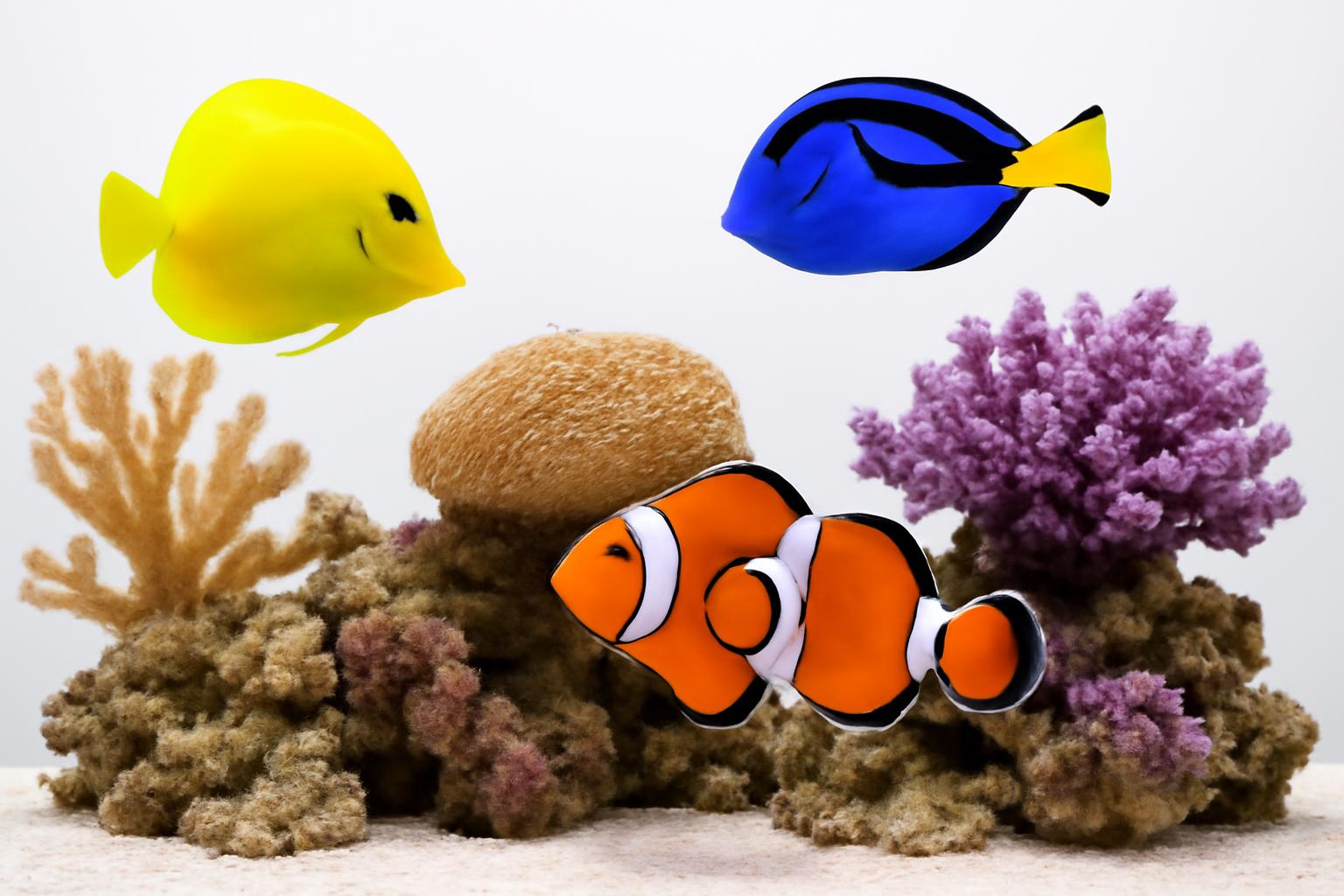
Many healthy adults tolerate about 3-5 days without supplied food when they start in good condition and the aquarium stays stable.
The short answer: many healthy adult fish can tolerate about 3–5 days
Many healthy adult aquarium fish can tolerate approximately three to five days without supplied food when they begin in good condition and the aquarium remains stable. These are low-confidence conventional care ranges—not scientifically established thresholds, ideal fasting targets, or guarantees for an individual fish. Chewy’s veterinarian-reviewed care guide gives the three-to-five-day estimate while emphasizing variation among fish.
“Without supplied food” does not necessarily mean “without eating.” Fish in mature aquariums or established ponds may continue consuming algae, biofilm, plankton, microfauna, insects, plants, invertebrates, leftover food, or small prey. Whether those sources provide meaningful nutrition depends on the fish, the available food, and the system. A grazing fish in a productive pond is not in the same situation as a specialist feeder in a new, sparsely furnished aquarium.
Species, life stage, body condition, activity, temperature, previous nutrition, competition, and access to natural food can all affect tolerance. Even in one aquarium, a robust established adult may cope with missed meals better than a thin, young, newly introduced, or bullied tankmate.
Some commercial care pages publish estimates extending from seven to 14 days for selected fish. Those longer figures should not be treated as safe vacation targets. The supplied sources do not connect their species-specific limits to controlled studies, and several give inconsistent estimates within the same page. The defensible conclusion is narrower: many healthy adults may tolerate a short interruption, but uncertainty and risk increase as an absence extends beyond an ordinary weekend.
That evidence limitation is important. Similar numbers repeated across commercial pages do not amount to independent scientific validation. Every day range in this guide should therefore be read as conservative, low-confidence planning guidance.
A practical starting framework is:
- Two to three days: a brief planned fast is commonly considered reasonable for healthy adults in a mature, stable system.
- Three to five days: some healthy adults may tolerate the gap, but assess the individual fish and aquarium first.
- Six or seven days: favor a tested feeding arrangement rather than relying on a generic survival estimate.
- More than one week: arrange controlled feeding and reliable human monitoring.
- Any vulnerable fish: use a more conservative plan regardless of trip length.
These planning bands synthesize the cautious end of the supplied commercial guidance; they are not validated biological cutoffs. Petco likewise gives three to five days as a general estimate for most healthy adults while recommending a feeding plan and human check-in as trips become longer. Its vacation-care guide also stresses that age, health, species, and metabolism change the decision.
The aim is not to discover how long a fish might remain alive. It is to choose the lowest-risk care arrangement for the animals and aquarium you actually have.
Surviving a fast is not the same as staying healthy
Answers to “how long do fish live without food?” often blur three different concepts:
- A missed feeding likely to be tolerated: A healthy adult misses one or several routine meals without an obvious problem.
- An elevated-risk fasting interval: The fish may survive, but concern about declining condition, activity, stress, or health is increasing.
- An anecdotal maximum: Someone reports that a fish remained alive after an unusually long period without prepared food.
The first can inform short-vacation planning. The second calls for a more conservative assessment. The third describes an outcome under uncertain conditions and should not be converted into a husbandry standard.
Visible survival does not establish that the fish maintained normal condition throughout the fast. Commercial care guidance associates prolonged food deprivation with weight loss, reduced activity, dull coloration, stress, and greater vulnerability to health problems, although the supplied material does not establish when those effects begin for particular species. ProtoPond explicitly distinguishes survival from continued health and notes that young, sick, stressed, underweight, and highly active fish may tolerate fasting less well.
Subtle changes may also be difficult to detect in schooling fish, shy species, densely planted aquariums, or large ponds. One apparently successful absence does not prove that repeating the same fast is safe, nor does it establish that every fish in the system had the same experience.
Aquarium forums contain reports of fish being left unfed for seven or eight days, 10 days, or longer. Such observations may help identify practical concerns, but they remain uncontrolled anecdotes. The fish may have been healthy adults in mature systems, may have grazed on natural foods, or may have experienced changes the keeper did not recognize. Temperature, stocking density, previous nutrition, body condition, species, and the amount of usable food in the aquarium are rarely measured. A FishLore discussion containing extended-fasting reports also shows hobbyists disagreeing about automatic feeders and preparation.
It is therefore unsafe to turn “my fish survived 10 days” into “fish can safely be left for 10 days.” The report documents one outcome under incompletely described conditions. It does not establish when adverse effects began, whether natural grazing occurred, or whether another fish would respond similarly.
A better planning question is:
What care arrangement best reduces the combined risks of inadequate feeding, overfeeding, water-quality deterioration, and equipment failure?
For a short absence, the answer may be a brief planned fast. For a longer one, it may be a tested automatic feeder or a dependable caretaker using measured portions. In systems vulnerable to evaporation, temperature problems, or equipment faults, food delivery alone is not enough; a person must also inspect the aquarium.
Seek species-specific guidance from an aquatic veterinarian or another qualified aquatic-health professional before considering an extended fast when a fish is:
- visibly thin or losing condition;
- already refusing food;
- sick, injured, or recovering;
- receiving medication or undergoing treatment;
- newly acquired or not yet feeding reliably;
- breeding or recently spawned;
- dependent on a specialized diet;
- bullied or routinely unable to compete for food.
In these cases, poor appetite or declining condition may already indicate a husbandry or health problem. Do not use a vacation fast as a substitute for investigating it.
What determines fasting tolerance
Fasting tolerance results from several interacting factors. No single characteristic—not even species or body size—provides a dependable safe limit by itself.
Species and normal feeding ecology
Fish have different feeding strategies. Some take substantial meals intermittently; others browse, pick, hunt, or filter-feed repeatedly. A broad adult-fish estimate may be poorly suited to a small, active fish that normally eats frequently or to a specialist that accepts only a narrow range of foods.
Labels such as freshwater, marine, tropical, and coldwater are too broad to function as precise fasting categories. Each includes fish with markedly different adult sizes, diets, activity levels, and life histories. Commercial pages that assign one range to all “marine fish” or “tropical fish” simplify differences that matter to an individual care plan.
Body size and condition
Larger, healthy adults often have greater total energy reserves than smaller or younger fish, but size alone cannot determine whether a fast is appropriate. A large fish that is thin, ill, highly active, or newly transported may be a poorer candidate than a smaller but robust, established adult.
Focus on the fish’s recent history: Has it been eating consistently? Has its condition remained stable? Does it compete successfully at feeding time? An apparently large fish should not be assumed to have adequate reserves.
Age and life stage
Fry and juveniles are growing and should not be judged by the general adult three-to-five-day estimate. Breeding and recently spawned fish may also have different nutritional demands. Eggs, larvae, juveniles, and adults are not interchangeable simply because they belong to the same species.
Use a more conservative feeding plan for:
- fry and juveniles;
- breeding or recently spawned fish;
- sick, stressed, or injured fish;
- underweight fish;
- medicated fish;
- fish recovering from transport, disease, or treatment.
Health, activity, and previous nutrition
A healthy fish that has consistently eaten an appropriate diet is better positioned for a short interruption than one that has recently fed poorly. Highly active fish may have greater energy demands, while timid or subordinate fish may begin the absence with fewer reserves because they were already losing competition at mealtimes.
Observe fish individually before leaving. “The tank is eating” does not necessarily mean every occupant is receiving an adequate share.
Water temperature
Within a species’ appropriate range, warmer water generally increases metabolic activity and feeding demand, while cooler water may reduce demand. The magnitude and husbandry significance vary among species, so temperature cannot be converted into a universal fasting schedule. Midwest Ponds identifies temperature, size, age, species, and natural-food availability as interacting factors rather than fixed calculators.
Do not deliberately cool an aquarium to extend a fast. Keep the fish within its normal stable temperature range; manipulating temperature introduces a separate stressor and does not create a validated safety margin.
Natural food and system maturity
Algae, biofilm, microfauna, plankton, plants, insects, and small invertebrates may supplement prepared food. Their value depends on whether the fish eats them, how much is present, competition within the aquarium, and how quickly the supply is replenished.
A mature system may support some grazing without providing a complete diet. Heavy stocking divides a limited natural-food supply among more animals. Visible algae also does not mean every fish can digest or use it.
| Factor | Lower-risk condition | Higher-risk condition | Planning implication |
|---|---|---|---|
| Life stage | Healthy, established adult | Fry, juvenile, breeding fish | Arrange measured, age-appropriate feeding for vulnerable stages |
| Body condition | Stable condition and reliable feeding | Thin or recently losing condition | Do not rely on the general adult range |
| Health | Healthy and behaving normally | Sick, stressed, medicated, or recovering | Obtain individualized advice and monitoring |
| Feeding ecology | Flexible adult feeder | Frequent, highly active, or specialist feeder | Choose controlled feeding sooner |
| Previous nutrition | Appropriate diet eaten reliably | Recent refusal, poor diet, or competition | Resolve the feeding problem before travel |
| Temperature | Stable within the normal range | Unusually warm, fluctuating, or inappropriate | Stabilize conditions; do not manipulate temperature to prolong fasting |
| Natural food | Mature system with observed grazing | New, sparse, or heavily stocked system | Do not count hypothetical food sources |
| System stability | Mature aquarium with dependable equipment | New cycle, recent instability, recurring faults | Arrange human monitoring or reconsider the plan |
| Trip length | Brief weekend | Approaching or exceeding a week | Increase feeding control and oversight as duration rises |
This table is a risk screen, not a calculator. Several higher-risk conditions together should move the plan toward direct care even when the absence is relatively short.
A trip-length decision guide: fast, feeder, or caretaker?
Trip length matters, but only after age, health, feeding behavior, and system stability have been considered. The following framework is conservative risk management based on low-confidence commercial guidance. It cannot promise that every fish will remain safe for a specified number of days.
Two to three days
For healthy, well-fed adult fish in a mature, stable aquarium, an ordinary weekend can commonly be managed as a brief planned fast. Feed the normal portion on the normal schedule before leaving; do not provide an oversized “last meal.” Midwest Ponds describes a two- to three-day weekend as generally tolerable for most fish while warning that young fish and confined systems may require greater caution. Its guidance also discourages overfeeding because uneaten food can degrade water quality.
That judgment changes if the aquarium contains fry, sick or thin fish, specialist feeders, or animals requiring frequent meals.
Four to five days
This falls near the outer edge of the cautious general estimate. Before relying on a fast, review:
- age and life stage;
- body condition and recent appetite;
- species and normal feeding pattern;
- activity level;
- water temperature;
- aquarium maturity and stocking;
- observed access to usable natural food;
- recent water-quality and equipment stability.
If all conditions are favorable, some healthy adults may tolerate the gap. If meaningful uncertainty remains, use a tested automatic feeder or a reliable caretaker with pre-portioned meals. “Possibly survivable” is not, by itself, a strong reason to accept avoidable risk.
Six to seven days
Do not casually rely on the upper edge of generic survival estimates. For an absence of six or seven days, a tested feeding arrangement is the more conservative planning choice, especially for small, active, newly acquired, marine, or specialized-feeding fish. ProtoPond’s commercial guidance recommends arranging feeding as absences lengthen and specifically warns that automatic feeders should be tested before use. The same source notes that vacation blocks may affect water quality.
A caretaker becomes particularly valuable if the aquarium has a history of rapid evaporation, temperature swings, power interruptions, or equipment faults. An automatic feeder can deliver food, but it cannot evaluate fish behavior or inspect the system.
More than one week
For trips longer than a week, arrange reliable human monitoring in addition to a controlled feeding plan. A feeder cannot notice unusual swimming, a leak, a stopped pump, low water level, temperature trouble, loss of circulation, or a power interruption. Petco’s vacation guidance similarly recommends combining automatic feeding with at least one human check-in for absences beyond a week.
The frequency of visits should reflect the actual aquarium. A small system with rapid evaporation or a complex marine aquarium dependent on several pumps may require more oversight than a larger, simpler, historically stable tank.
Flowchart
The numerical branches below summarize the cited low-confidence planning ranges above; they are decision prompts, not proven safety thresholds.
START
  |
  v
Are all fish healthy, established adults with stable condition
and reliable feeding behavior?
  |
  +-- NO --> Caretaker with measured portions and
  |          species-appropriate instructions
  |
  +-- YES
        |
        v
How long is the trip?
        |
        +-- 2–3 days
        |      |
        |      v
        |   Is the aquarium mature, stable, and trouble-free?
        |      |
        |      +-- YES --> Brief planned fast
        |      |
        |      +-- NO  --> Caretaker with measured portions
        |
        +-- 4–5 days
        |      |
        |      v
        |   Are condition, species needs, temperature, stocking,
        |   grazing, water quality, and equipment all low risk?
        |      |
        |      +-- YES --> Brief planned fast or tested feeder
        |      |
        |      +-- NO  --> Tested feeder or caretaker
        |
        +-- 6–7 days
        |      |
        |      v
        |   Has a feeder been tested on the actual aquarium?
        |      |
        |      +-- YES --> Tested feeder, preferably with a human check
        |      |
        |      +-- NO  --> Caretaker with measured portions
        |
        +-- More than 1 week
               |
               v
          Human monitoring plus a controlled feeding plan
At any point, fry, underweight fish, sickness, medication, recent transport, specialist feeding, or unstable equipment overrides the default route and calls for more conservative care.
Aquariums, reef tanks, planted systems, and ponds are not equivalent
A confined aquarium that depends heavily on prepared food differs fundamentally from an established outdoor pond exposed to sunlight, plants, insects, plankton, and other potential foods.
In a productive pond, stopping supplemental feeding does not prove that the fish are fasting. They may continue eating algae, plants, insect larvae, adult insects, zooplankton, invertebrates, or small prey. Natural-food availability changes with season, temperature, pond maturity, habitat, and fish population.
A large, balanced pond should not be compared directly with a new container pond or a heavily stocked ornamental system. A pond that normally depends on intensive feeding should not suddenly be treated as self-sustaining because the owner is traveling.
Mature planted aquariums may contain algae, biofilm, detritus-associated organisms, and small invertebrates. Reef tanks may contain copepods and other microfauna. These can provide supplementary food for fish that recognize and capture them, but their presence does not show that enough food exists for every animal or that it provides a complete diet. Commercial pond guidance makes the same distinction between established natural food webs and confined, heavily stocked systems. Scott Aerator’s overview notes that absence of supplemental feeding in a pond may not mean absence of food.
Natural grazing depends on:
- the fish’s normal feeding behavior;
- the quantity and type of available organisms;
- aquarium or pond maturity;
- stocking density and competition;
- season and temperature;
- replenishment of the food supply;
- whether the fish is healthy enough to forage.
Repeatedly observing a fish consume a particular natural food is more useful than merely seeing algae or microfauna in the system. Even then, the amount of nutrition obtained is difficult to quantify, so grazing should be treated as a possible buffer rather than a complete vacation plan.
Reef keepers should be especially conservative with small, thin, highly active, newly introduced, or specialized-feeding marine fish. Do not apply one “saltwater fish” fasting number to a clownfish, goby, wrasse, butterflyfish, and dietary specialist as though their needs were equivalent.
This also fits Reef Directory’s stated parameters-first approach: feeding decisions belong within a broader plan for stable water and dependable equipment. The site does not establish fish-fasting limits, but its general emphasis on water chemistry and life-support systems is relevant to planning an unattended reef aquarium.
During an absence, circulation, temperature control, filtration, salinity, water level, and top-off reliability may require attention regardless of how food is delivered. Natural food may reduce feeding risk in some systems, but it does not replace a deliberate care plan.
Compare automatic feeders, caretakers, and vacation food blocks
No vacation-feeding method is automatically safest. Each reduces some risks while introducing others.
Automatic feeders
Potential failure modes include:
- the opening jamming;
-
batteries or power failing;
-
inconsistent portions;
-
excessive food entering the aquarium;
-
unsuitable food breaking apart in the mechanism.
Test the feeder on the actual aquarium for at least two to three days before departure. Confirm portion size, food compatibility, mounting position, power reliability, and the effect of humidity. Watch several complete dispensing cycles and check whether shy or subordinate fish obtain food. Petco specifically recommends a two-to-three-day test and warns that feeders may jam, lose power, or overfeed.
Caretakers
A reliable caretaker provides something an automatic feeder cannot: observation. A person can notice unusual fish behavior, low water level, temperature trouble, a stopped pump, or visible leakage.
The central feeding risk is overfeeding. Reduce it by preparing every meal in a separate labeled container or packet. Instructions should specify:
- which portion to give on which day;
- where each aquarium’s food belongs;
- that no extra food should be added;
- that a missed meal must not be replaced with a double portion;
- that bulk food containers should remain closed;
- which equipment may be touched;
- whom to contact if something looks wrong.
A photograph or brief message after each visit can confirm that the aquarium was checked without asking the caretaker to diagnose unfamiliar problems.
Slow-release vacation blocks
Slow-release blocks provide weaker control over how much food becomes available and when. These concerns are identified in commercial vacation-feeding guidance, but the supplied evidence does not establish which aquariums can use blocks safely.
Do not add an unfamiliar block while leaving the house. If one is being considered, test it well in advance while observing fish acceptance and the water conditions normally monitored in that aquarium.
| Option | Monitoring | Portion control | Main failure modes | Preparation required | Suitable context |
|---|---|---|---|---|---|
| Brief planned fast | None | No food added | Unsuitable for vulnerable or frequent-feeding fish; no equipment oversight | Assess fish and system stability | Short absence with healthy adults in a stable aquarium |
| Automatic feeder | None unless paired with a visit | Good only after calibration | Moisture, jams, power loss, movement, overfeeding | Test for several days in its final position | Moderate trip using compatible dry food |
| Caretaker with measured portions | Human observation | Strong when portions are prepared | Overfeeding, missed visits, incorrect equipment handling | Portion meals and provide concise instructions | Longer trips or systems needing observation |
| Vacation food block | None | Relatively weak | Uneven dissolution, poor acceptance, clouding, chemistry changes | Advance testing | Limited cases where prior testing shows suitability |
| Feeder plus caretaker | Human observation plus scheduled food | Potentially strong | Feeder failure or caretaker error | Test feeder and brief caretaker | Longer trips or complex systems |
The central tradeoff is straightforward: for healthy adults, a brief fast may present less risk than an untested device or unrestricted food left with an inexperienced helper. As trip length or fish vulnerability increases, controlled feeding and human observation become more valuable.
Prepare the aquarium without overfeeding
Preparation should protect both the fish and the system. It should not involve stuffing the fish with extra food.
Feed the normal portion on the normal schedule before departure. Oversized or repeated meals may leave uneaten food and increase waste, which can degrade water quality and contribute to ammonia problems. ProtoPond’s preparation guidance recommends normal feeding, a partial water change when appropriate, and checks of the filter, heater, and aeration.
Perform routine rather than drastic maintenance. If a partial water change is due, complete an appropriate one early enough to confirm afterward that temperature, water level, and equipment operation are normal. Avoid an unusually large intervention unless it is necessary to correct a known problem and you will remain available to observe the result.
Pre-trip aquarium checklist
- Fish: Confirm normal swimming, respiration, appetite, and general condition.
- Water parameters: Test the parameters normally used to assess the system.
- Temperature: Verify the heater, chiller, controller, and thermometer as applicable.
- Filter: Confirm normal flow and clear intake and return paths.
- Aeration and surface movement: Check air pumps, circulation pumps, and surface agitation.
- Heater position: Consider whether expected evaporation could expose equipment.
- Evaporation: Estimate water loss and arrange safe top-off or caretaker assistance.
- Marine salinity: Confirm that any top-off system operates consistently.
- Lighting: Test timers and verify normal on-and-off operation.
- Pumps and plumbing: Inspect return pumps, powerheads, tubing, valves, and overflows.
- Lids and screens: Secure covers and close escape gaps.
- Leaks: Inspect seams, pipes, fittings, the cabinet, and the surrounding floor.
- Feeder: Observe several complete dispensing cycles in its final position.
- Power: Check plugs, power strips, batteries, and available outage alerts.
- Food: Prepare only measured portions.
- Contact plan: Leave emergency information where the caretaker can find it.
Do not make major husbandry changes immediately before leaving. Avoid adding new fish, changing the staple diet, installing unfamiliar equipment without testing it, extensively rearranging the aquarium, or making a last-minute correction to water chemistry unless necessary. A theoretically improved setup is not safer when its behavior is unknown.
For a caretaker, provide:
- individually labeled food portions;
- a short written schedule;
- basic water-level and equipment checks;
- a list of controls that must not be adjusted;
- your contact information;
- a backup local contact;
- professional contact details when relevant;
- a request for a photograph or message after each visit.
Prioritize the instructions. A novice does not need a complete aquarium manual. They need to know what normal operation looks and sounds like, which visible changes require a call, and what not to adjust.
Power interruption, overheating, insufficient aeration, evaporation, and filtration failure can become urgent independently of hunger. An automatic feeder does nothing about those hazards, which is why longer trips and equipment-dependent systems benefit from human observation.
What to check when you return
Observe the aquarium before assuming that every unusual behavior means hunger.
Check:
- swimming speed and coordination;
- respiration and gill movement;
- general body condition;
- coloration;
- hiding or failure to emerge;
- position in the water column;
- aggression or unusual competition;
- rubbing, circling, or abnormal posture;
- feeding response when a normal meal is offered.
Lethargy, surface gasping, erratic swimming, unusual hiding, rubbing, circling, and abnormal posture are nonspecific. Petco’s vacation guidance lists these behaviors as warning signs that warrant checking the aquarium rather than simply adding more food.
If behavior is abnormal, promptly check temperature and the water parameters relevant to the system. Inspect the filter, heater, aeration, circulation pumps, water level, top-off system, and other life-support equipment. Look for visible leaks, interrupted power, blocked intakes, stagnant water, or evidence that a feeder released excessive food.
Resume normal-sized meals rather than offering a compensatory oversized feeding. Remove uneaten food and confirm that each fish can feed normally. Also inspect the feeding device: a reservoir that appears less full does not prove every portion entered the aquarium correctly. Check for clumped food, residue around the opening, food on the lid or floor, and accumulation in the tank.
Contact an aquatic veterinarian or another qualified aquatic-health professional if a fish remains emaciated, continues refusing food, has persistently abnormal respiration or posture, has an obvious lesion or injury, or fails to improve after an identified environmental problem is corrected. The supplied evidence does not support a universal refeeding protocol; appropriate care depends on species, condition, health status, water quality, and the duration of food deprivation.
Until qualified advice is available, maintain stable conditions and avoid an improvised oversized “recovery” meal.
Frequently asked questions
Can healthy adult fish go without food for a weekend?
Usually, yes. A two- to three-day weekend is commonly described as low risk for healthy, well-fed adult fish in a mature, stable aquarium. That is conventional care guidance rather than a scientifically validated guarantee. Feed normally before leaving instead of providing extra food.
This does not automatically apply to fry, juveniles, thin fish, sick or medicated fish, recent arrivals, or specialist feeders. Check equipment and water stability before departure because a feeding decision does not address filtration, temperature, aeration, evaporation, or power problems.
Can I leave my fish unfed for a full week?
Do not assume that a full week is safe based on a generic survival estimate. Some healthy adults in mature systems may tolerate it, and hobbyists report doing so, but anecdotal survival does not establish a recommended fasting interval. Aquarium Co-Op forum reports about week-long absences also emphasize evaporation, heater exposure, filtration, and power as parallel concerns.
For six or seven days, favor a tested feeder or a reliable caretaker using pre-portioned meals. Human observation is particularly valuable for small or active fish, specialist feeders, marine systems, and aquariums with rapid evaporation or complex equipment.
How long can bettas or goldfish live without food?
There is no well-substantiated universal fasting maximum for either bettas or goldfish. Commercial pages publish conflicting estimates, sometimes extending beyond a week, without supplying controlled species-specific research. Claims such as “14 days” should not be treated as safe vacation targets.
For a healthy adult betta or goldfish, use the same conservative starting point applied to other adults: a weekend is commonly considered manageable, while an absence approaching a week deserves a tested feeding plan. Adjust for age, body condition, health, temperature, system stability, and observed access to natural food.
Should I feed fish extra before going on vacation?
No. Feed the usual portion on the usual schedule. Oversized or repeated meals may leave excess food, increase waste, and degrade water quality. Extra food immediately before departure also does not establish that every fish has entered the trip in good condition.
If a fish appears thin or has not been feeding reliably, investigate that problem rather than trying to correct it with one large meal. Such a fish should not be treated as a suitable candidate for an extended fast.
Can fish live on algae and microfauna while I am away?
Some fish may obtain supplementary nutrition from algae, biofilm, plankton, insects, plants, copepods, or other microfauna. This is most plausible in mature aquariums and established outdoor ponds, but it depends on species, stocking density, competition, season, and system productivity.
Visible algae does not prove that a particular fish eats it, and the presence of microfauna does not show that enough exists for every occupant. Pond fish receiving no prepared food may still be eating naturally and therefore may not be fasting at all. Treat observed grazing as a possible buffer, not an automatic substitute for a feeding plan.
The conservative decision rule is simple: healthy adult fish in a stable aquarium can commonly tolerate a weekend and may tolerate roughly three to five days without supplied food, but that low-confidence estimate is neither a target nor a guarantee. Vulnerable fish need a more cautious plan, and longer trips call for tested feeding arrangements plus human monitoring. Normal portions, stable water conditions, functioning equipment, and prevention of overfeeding are safer priorities than attempting to reach a claimed maximum survival time.